
The Geely E2 has officially taken the title of South Africa’s most affordable electric vehicle, starting at R339,900.
If you’ve just bought one — or you’re seriously thinking about it — the next question is obvious: what charger do you actually need at home? The answer is straightforward. A 7 kW single-phase wallbox is the perfect match for the Geely E2. Full stop. It will charge the car overnight, it works with virtually every South African home, and it won’t cost you a fortune to install. This guide tells you exactly what to buy, what to pay, and what to avoid.
The E2 is fitted with a 39.4 kWh lithium-iron phosphate (LFP) battery that can receive up to 70 kW at a DC fast-charging facility and delivers a range of up to 325 km on the WLTP cycle.
But that 70 kW DC figure is for motorway pit stops — at home, you’re charging on AC, and
with a 7 kW AC charger, you can top up the cells from 10% to 100% in around six and a half hours.
Plug in at 10 pm, wake up to a full car. It really is that simple.
And here’s the thing: the Geely E2 buyer — budget-conscious, likely a first-time EV owner, urban commuter — is also the person who most needs to get the charging setup right the first time. Overspend on the charger and you’ve wasted money that could’ve gone on accessories or the finance deposit. Underspend and you’ll regret the trickle-charge grind every morning. Let’s get it right.
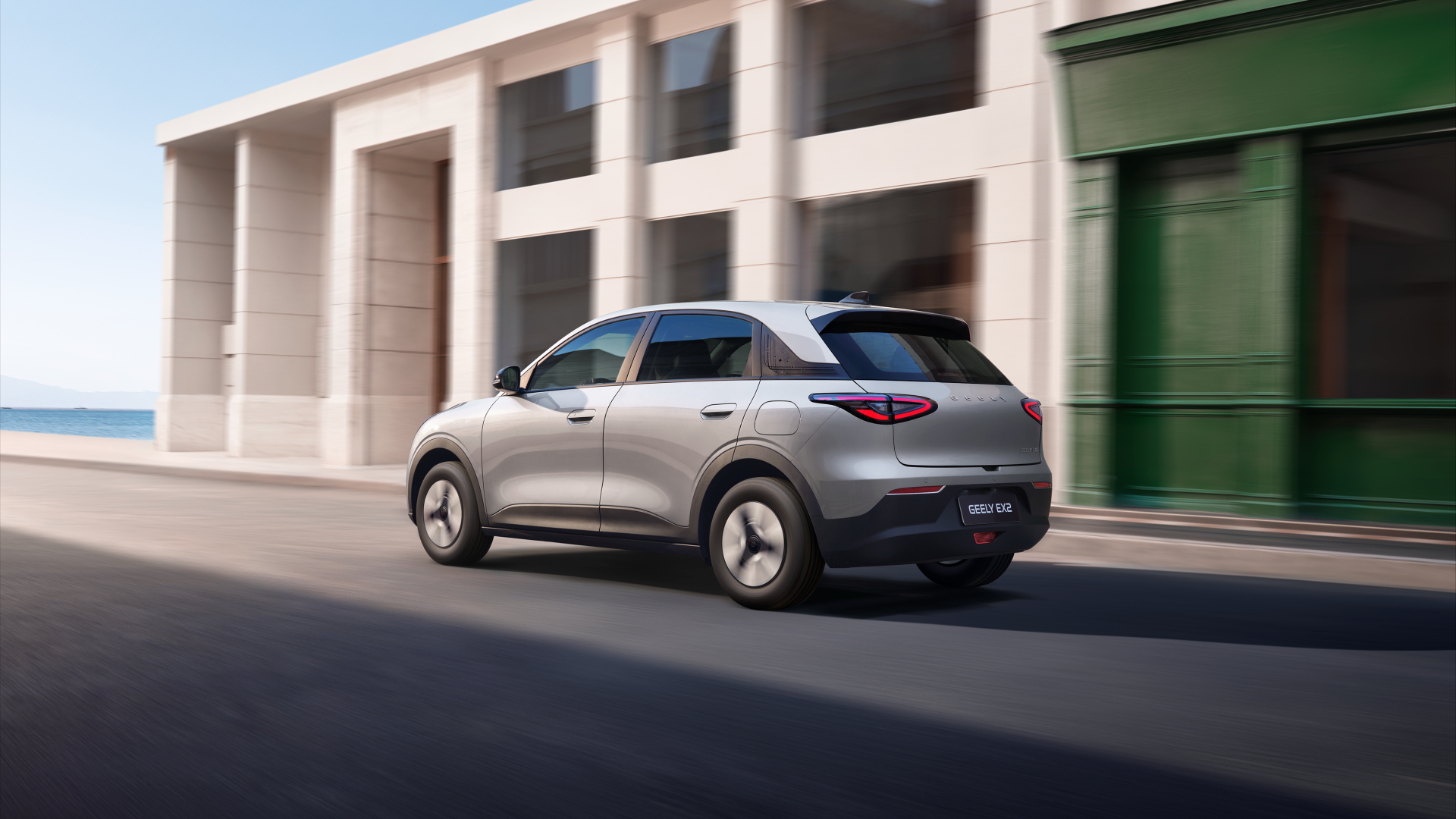
Understanding the Geely E2’s Charging Specs
Powering the Geely E2 is an electric motor and a battery with a capacity of 39.4 kWh, producing 85 kW and 150 Nm of torque.
It’s rear-wheel drive, which gives it a surprisingly sporty character for a budget hatchback.
The E2 sprints from 0–100 km/h in 11.5 seconds, with a top speed limited to 130 km/h
— which, incidentally, is exactly the legal motorway limit in South Africa.
On the charging side, the E2 supports two methods.
DC charging maxes out at 70 kW, with a 30–80% charge taking just 25 minutes.
That’s for public fast chargers when you’re on a long run to Knysna or Durban. At home, you’re using AC, and the E2’s onboard charger accepts a maximum of 7 kW. That ceiling matters — and we’ll come back to it repeatedly.
The E2 also supports vehicle-to-load (V2L) functionality up to 3.3 kW
, meaning you can run appliances, charge devices, or even power tools directly from the car’s battery. During a braai, that’s genuinely useful. It doesn’t affect your charging setup, but it’s a nice bonus on an entry-level EV.
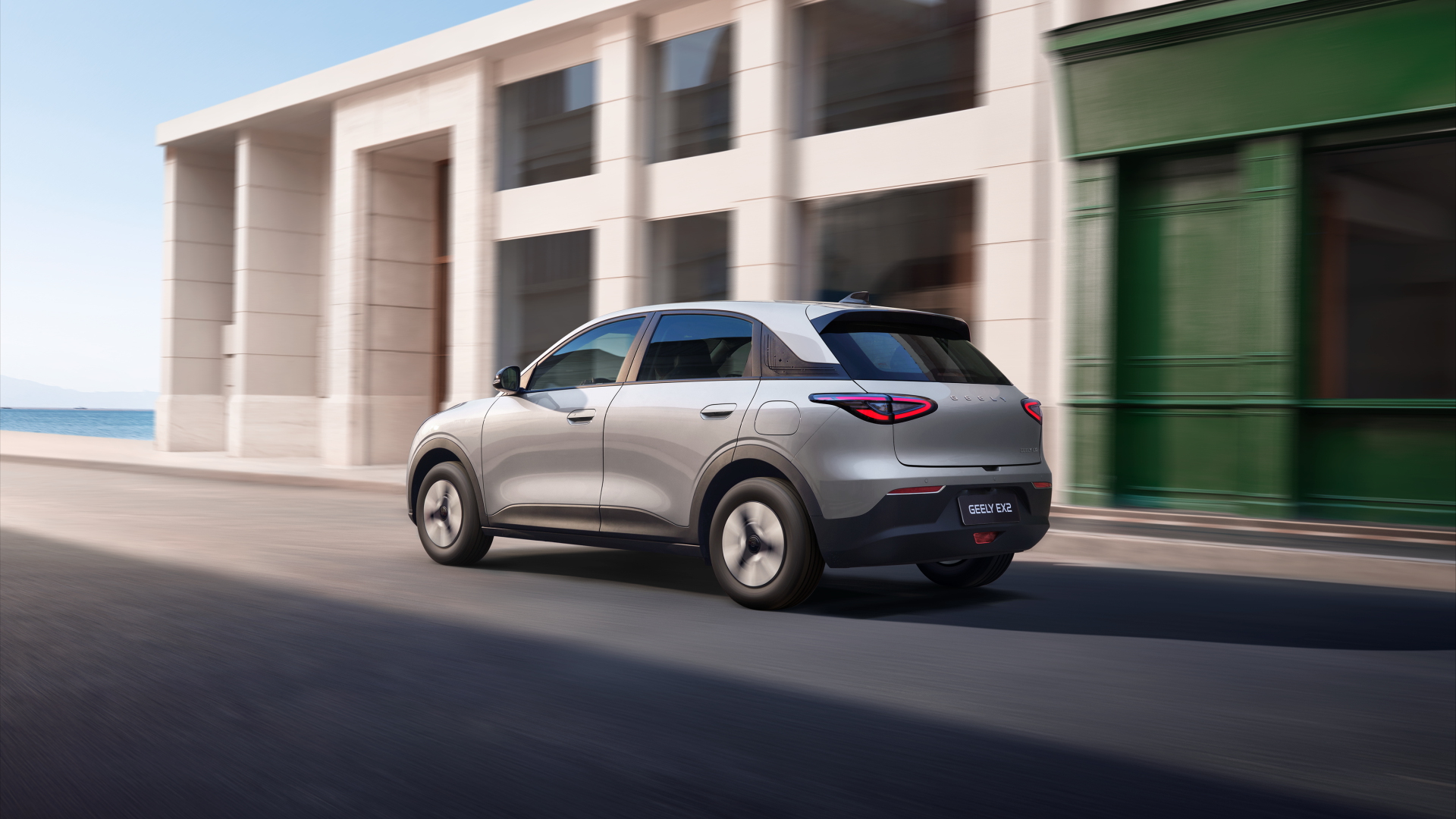
Why 7 kW Is the Correct Charger for the Geely E2
This is the most important section of this entire guide. The Geely E2’s onboard AC charger is rated at 7 kW. That means the car itself is the bottleneck, not the wallbox.
A car that accepts 7 kW AC plugged into a 22 kW wallbox will still only pull 7 kW.
You’d be paying for an 11 kW or 22 kW charger and using exactly zero of the extra capacity. Every rand above a 7 kW unit is wasted money — and on an R339,900 car, wasting R5,000–R15,000 on the wrong charger stings.
The maths are clean. The E2’s 39.4 kWh battery divided by 7 kW gives you 5.6 hours for a full charge from empty. In reality, Geely quotes 6.5 hours from 10–100% due to battery management and taper at the top end — but either way, you’re looking at a comfortable overnight session. Daily top-ups are even faster: if you’re covering 60 km a day (which at 14.5 kWh/100 km real-world consumption burns through roughly 8.7 kWh), that’s just over an hour on a 7 kW charger. Do that at midnight and your car is ready before you’ve had your first coffee.
For a typical week of 300 km of urban driving — commuting, school runs, gym, the occasional grocery run — you’d use roughly 43.5 kWh. That’s 6.2 hours of charging to replace. One overnight session covers it entirely.
The 7 kW wallbox is the sweet spot for 85% of South African EV owners, adding 30–40 km of range per hour, fully charging a mid-size battery overnight, and working on any standard single-phase home supply.
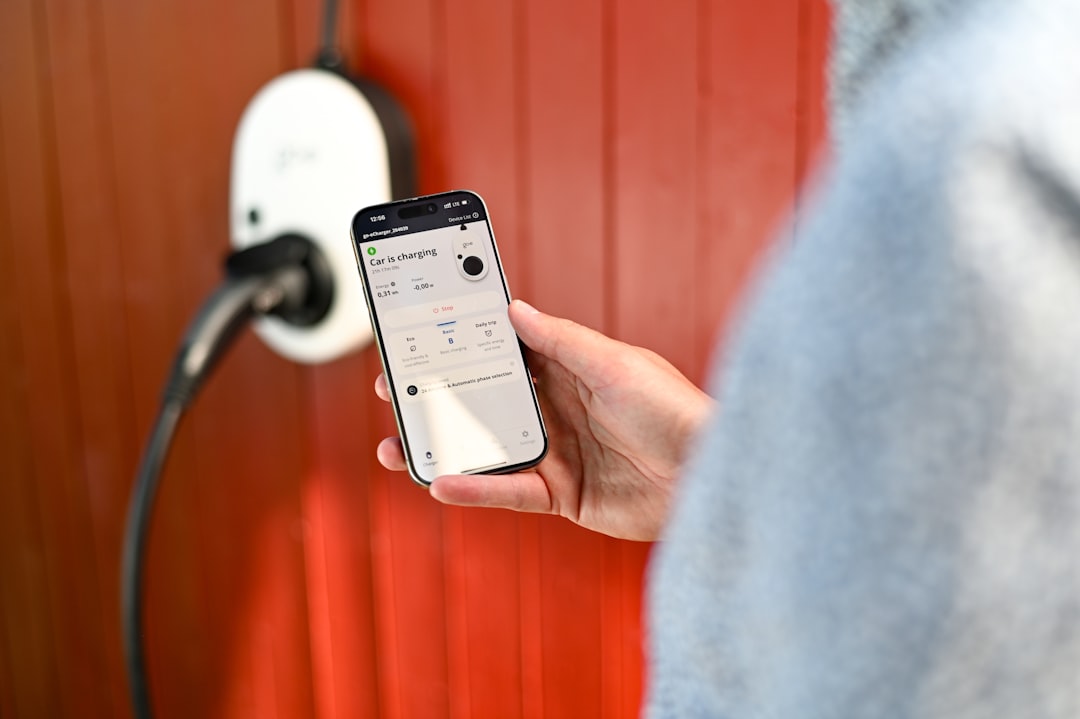
How Much Could You Save With an EV?
Use our free calculator to compare your current fuel costs with EV charging costs.
Real Cost of Charging a Geely E2 in South Africa
This is where the Geely E2 story gets genuinely exciting. Forget the purchase price — look at what it costs to run.
In Cape Town on standard tariff (R3.18/kWh), filling the 39.4 kWh battery from empty costs R125.29. Switch to off-peak (R1.89/kWh) — which any smart charger can automate — and that drops to R74.47. Per 100 km of driving, you’re looking at R46.11 on standard rate, or just R27.41 off-peak. Do 1,200 km a month (that’s 40 km a day) entirely on off-peak power and your electricity bill goes up by about R328.86.
In Johannesburg, rates are slightly lower at R2.95/kWh standard and R1.75/kWh off-peak. A full charge costs R116.23 on standard or R68.95 off-peak. Monthly charging for 1,200 km on off-peak power comes to around R304.50.
A VW Polo doing 8L/100km over 1,200 km a month burns 96 litres of petrol. At R24.50/litre, that’s R2,352. The Geely E2 on off-peak power costs R305–R329 for the same distance. That’s an 86% saving — R2,000+ back in your pocket, every single month.
Over a year, that’s roughly R24,000 in fuel savings. Over the typical five-year finance term of a car like this? We’re talking R120,000 in savings. The charger installation pays for itself in under a month. Calculate your exact savings with our EV running cost calculator — plug in your actual daily distance and municipality tariff for a personalised number.
The Best 7 kW Chargers for the Geely E2 in South Africa (2026)
South Africa now has a solid range of 7 kW wallbox options from established brands. Here’s how the main contenders stack up for an E2 owner:
| Charger | Installed all-in (incl. CoC) | Smart Features | Best For |
|---|---|---|---|
| Victron EV Charging Station 7.4 kW | from R17,000 | App + touchscreen, WiFi/LAN, solar-surplus ready via contactor | Most E2 owners — locally stocked, our default fit |
| GridCars 7 kW (SA-made) | from R15,000 | GridCars network integration, app | Budget-conscious buyers who want local support |
| Wallbox Pulsar Plus 7.4 kW | from R18,000 | Polished app, dynamic load balancing, power sharing | Two-EV homes that want the slickest app |
| Zappi 7 kW (imported) | from R24,000 | Native solar Eco/Eco+ surplus charging | Solar homes that want hands-off surplus charging |
Prices are all-in: charger, single-phase install, dedicated circuit, EV-rated earth-leakage, and the SANS 10142 Certificate of Compliance. Exact figure depends on your DB distance and board condition — get a fixed quote.
For most E2 owners we fit the Victron EV Charging Station. It’s locally stocked (so no import wait or grey-market markup), gives you app + touchscreen control and scheduled off-peak charging, and pairs with rooftop solar via a surplus contactor off your inverter. It does everything an E2 needs and nothing it doesn’t — which is the whole point on a budget car.
If you’ve got solar and want fully automatic surplus charging straight out of the box, the Zappi does it natively — but it’s imported, so it lands at roughly R24,000 installed versus about R17,000 for the Victron. For a 7 kW car that’s a real premium for one convenience feature, and we’ll talk you through whether it’s worth it for your setup. The Wallbox Pulsar Plus and ABB Terra AC are excellent units too — if you specifically want one, we’ll fit it.
The GridCars unit deserves a mention for being locally made and compatible with the GridCars public charging network — handy if you ever need remote session tracking or fleet management down the line. Get a free installation quote for your Geely E2 and we’ll recommend the right unit for your specific home setup and municipality.
Smart Charger Features That Actually Pay for Themselves
Not all wallboxes are equal, and for an E2 owner trying to maximise savings, a few features are genuinely worth paying for.
Scheduled charging is the big one.
App-connected Level 2 chargers allow scheduling — setting the charger to start at midnight when off-peak electricity rates begin and complete before the morning commute.
For Cape Town E2 owners, that automated schedule is the difference between paying R1.89/kWh and R3.18/kWh — a saving of R50–R80 a month with zero effort on your part.
Load management prevents you from tripping your main breaker when the kettle, geyser, and charger all fire up simultaneously.
Dynamic load management is the most underrated smart charger feature in 2026
— and it’s especially relevant in older South African homes where the main breaker is already running close to capacity during evening peaks.
App control — start/stop remotely, track kWh used, get session history — sounds gimmicky until load shedding returns or until you’re trying to figure out whether your electricity bill has spiked. Speaking of which:
Eskom has recorded 341 consecutive days without load shedding as of late April 2026
, and
Eskom enters the 2026 winter season projecting a period of continued energy stability from 1 April to 31 August 2026.
Overnight charging has never been more reliable.
Ready to Install a Home Charger?
Get a free, no-obligation quote for professional EV charger installation in South Africa.
What a Geely E2 Home Charger Installation Actually Costs
The unit price is just the beginning. Here’s the full picture for a typical South African home installation:
All-in for a complete, compliant 7 kW install — charger, single-phase wiring, dedicated circuit, EV-rated earth-leakage, and the SANS 10142 Certificate of Compliance — budget R15,000–R24,000 depending on the unit you choose and your DB run. A locally-stocked smart charger like the Victron lands around R17,000 installed; an imported solar-native Zappi runs to about R24,000. The labour, cable and CoC are the same regardless of brand — the spread is almost entirely the charger.
A professional installation typically runs four to eight hours on-site for a single-phase 7 kW wallbox. The full process from quote to CoC is usually 7–14 days, with body-corporate approvals adding 2–6 weeks for complex installations.
If you’re in a complex or sectional title, get that approval process started early — it’s the one thing that can delay an otherwise straightforward job.
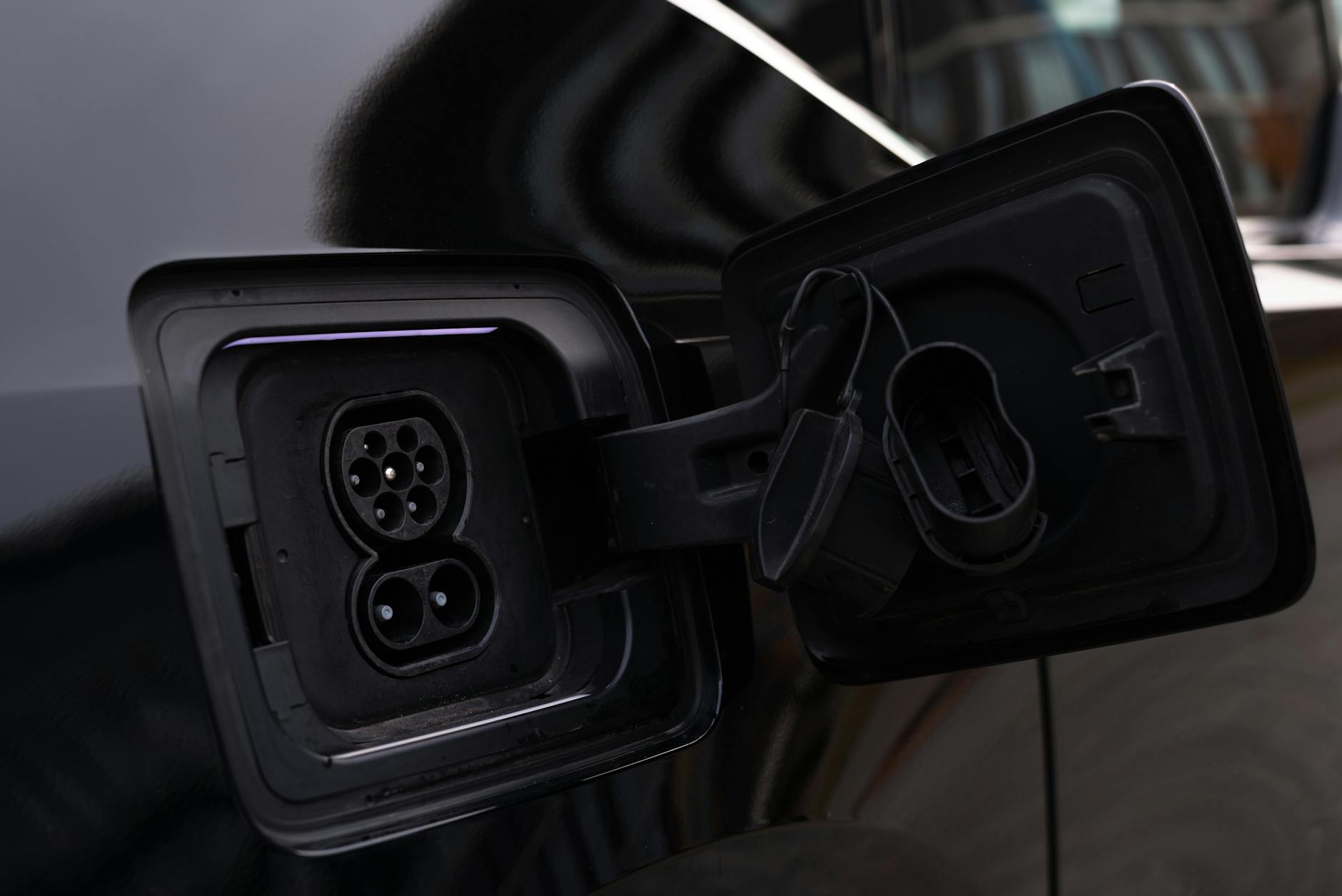
On the electrical requirements side: you need a dedicated 32A circuit from your DB board, a Type 2 socket (the E2 uses the European Type 2 standard),
which is the standard for AC charging in South Africa, aligning with European standards,
an IP54-rated weatherproof enclosure if mounting outdoors, and earth leakage protection. Any accredited electrician will handle all of this — but it’s worth knowing what’s involved before you get quotes.
Geely Finance customers may qualify for a complimentary home wallbox and a R7,500 charge card — a genuine sweetener worth asking your dealer about. Two things to know: the included unit is a basic tethered wallbox (no app scheduling, no solar-surplus charging), and a compliant installation with a CoC is still required either way — that part is never free, because it’s the legal and insurance-critical bit.
That’s a real sweetener.
Buyers via Geely Finance also receive a R7,500 charging voucher toward the included basic wallbox.
If you’re going the finance route, ask your dealer specifically about this — and if you want smart off-peak scheduling or solar charging, the voucher can offset the cost of upgrading the unit before you’ve even plugged in for the first time. If you’re buying privately or want to upgrade to a smarter unit, get a quote for a Geely E2 charger installation here.
Don’t Overbuy: Why 11 kW and 22 kW Chargers Are a Waste of Money for E2 Owners
This section could save you a serious amount of money. Let me be direct.
An 11 kW charger requires a three-phase supply. Most South African homes are single-phase. Even if you do have three-phase, the E2 cannot use 11 kW on AC — it maxes out at 7 kW. You’d spend R4,000–R8,000 more on the unit and R2,000–R5,000 more on installation for exactly zero extra charging speed. Same story with a 22 kW charger — double the cost, identical real-world result.
As for DC fast chargers at home: don’t. DC chargers cost R80,000 or more, require commercial-grade three-phase power, and are designed for commercial sites with multiple users. The E2’s 70 kW DC capability is for when you’re doing a long-distance run and need to stop at a public fast charger for 25 minutes. For road trips, check our live map of public EV charging stations across South Africa to plan your stops.
The right tool for home charging is a 7 kW single-phase wallbox. Full stop. It’s the perfect match for the E2, it works with 95% of South African homes, and it gets the job done overnight without any drama.
Find Charging Stations Near You
Explore our live map of EV charging stations across South Africa — updated in real time.
Load Shedding Reality Check for 2026
The fear that kills EV consideration faster than almost anything else in South Africa is load shedding. What happens to overnight charging when the power goes off at 2 am?
Here’s the context:
it has been 328 days since South Africa last experienced load shedding, with the energy availability factor sitting above 65%.
And that trajectory is continuing —
Eskom enters the 2026 winter season with a resilient power system, projecting a period of continued energy stability from 1 April to 31 August 2026.
But even if load shedding returns in some form, the E2’s 39.4 kWh battery and 325 km range give you four to five days of typical urban driving. Miss one overnight charge? You’re not stranded — you’ve got plenty of range to work with. A smart charger can also be scheduled to avoid known load shedding windows, automatically resuming when power returns. For most urban commuters, occasional interruptions to overnight charging are a minor inconvenience, not a crisis.
And for the solar-equipped households in Joburg’s northern suburbs or anywhere in the Cape winelands: a solar-integrated charger like the Zappi means daytime charging from your panels entirely bypasses the grid — and Eskom — altogether. That’s the ultimate resilience setup for an E2 owner.
If you’re comparing the E2 against other affordable EVs on factors like range, charging infrastructure, and total ownership cost, our full EV vs petrol running cost breakdown for South Africa puts the numbers side by side in detail.
The Verdict: What to Buy and What to Do Next
The Geely E2 is arguably the most compelling entry point into EV ownership South Africa has ever seen.
Known as the Xingyuan in China, where it was the nation’s best-selling vehicle overall in 2025
— this isn’t an obscure experiment, it’s a proven, mass-market electric car now available at an R339,900 starting price.
Pair it with a 7 kW smart wallbox. For most E2 owners that’s the Victron EV Charging Station — locally stocked, app-controlled, solar-ready, around R17,000 installed. Got solar and want hands-off surplus charging? The imported Zappi does it natively at a premium. Either way you get a setup that charges overnight, automates off-peak scheduling, tracks your kWh usage, and saves you in excess of R2,000 a month compared to a petrol hatchback. The installation pays for itself in three to four weeks of fuel savings.
The recommendation is simple: 7 kW smart wallbox, scheduled off-peak charging, done. Don’t overthink it, don’t overbuy, and don’t delay. Every day you charge on a 3-pin plug in the garage is a day you’re leaving money on the table.
Get a free installation quote for your Geely E2 charger and have a fully compliant, smart wallbox running within two weeks.
FAQ
Can I charge my Geely E2 with a normal plug?
Yes, but it’s impractically slow. A standard 3-pin South African plug delivers roughly 2.2–3 kW, giving you around 10–15 km of range per hour. For a full charge from empty, you’re looking at 15–18 hours. A 7 kW wallbox is five times faster, safer, and purpose-built for EV charging. For daily use, a dedicated wallbox is non-negotiable.
How much does a Geely E2 charger installation cost in South Africa?
Budget R12,000–R20,000 all-in for a 7 kW wallbox, professional installation, and the mandatory SANS 10142 Certificate of Compliance. The charger unit itself costs R7,500–R14,000 depending on the brand and smart features, with installation adding R4,000–R8,000. Geely Finance customers may receive a complimentary wallbox and R7,500 charge card, which can significantly reduce or eliminate the out-of-pocket cost.
Will an 11 kW charger charge my Geely E2 faster than a 7 kW charger?
No. The Geely E2’s onboard AC charger is rated at a maximum of 7 kW. Plugging it into an 11 kW or 22 kW charger will not increase the charging speed — the car simply won’t accept more than 7 kW regardless of what the charger is rated at. You would be paying R4,000–R15,000 extra for hardware power you cannot use. Stick to a 7 kW wallbox.
Can I use the Geely E2’s DC fast charging at home?
No. Home charging is always AC. DC fast chargers cost R80,000 or more, require commercial three-phase power infrastructure, and are designed for public charging sites. The E2’s 70 kW DC capability is specifically for public fast chargers during long-distance trips, where a 30–80% charge takes around 25 minutes. At home, a 7 kW AC wallbox is the correct and only practical solution.
What is the cheapest way to charge a Geely E2 in South Africa?
Off-peak home charging is by far the cheapest option. Depending on your municipality, off-peak rates range from R1.75/kWh (Johannesburg) to R1.89/kWh (Cape Town), bringing the cost per 100 km down to R25–R27. A smart wallbox automates this by scheduling charging to start automatically during off-peak windows. This is 86% cheaper than petrol and saves around R2,000 per month compared to an equivalent petrol hatchback doing 8L/100km.